
Unforgettable cake taste is rarely about sugar alone. The cakes people remember—the ones they talk about after the candles are blown out, are built from a more intricate sensory architecture: aroma, fat, salt, temperature, texture, freshness, and memory. Sweetness may be the first signal, but it is not the whole experience.
A luxury cake should unfold. The first bite might reveal vanilla, citrus, dark chocolate, roasted nut, espresso, or fruit. The second bite should show texture: a soft crumb, a balanced filling, a frosting that melts instead of coats. The finish should linger without feeling heavy.
This is where store-bought cakes often fall short. Many rely on excessive sweetness, stabilizers, and cold storage to survive transportation and shelf life. A premium cake, by contrast, is designed for the moment it will be served. At Nikoo Cake, cake taste is treated as a composition—part pastry science, part sensory design, and part personal memory.
Chef Nikoo’s approach to luxury cake design begins with flavor balance before decoration. Her work as a Southern California pastry expert focuses on refined sweetness, premium cake ingredients, elegant textures, and custom cake flavor development for elevated celebrations.
“Great cake taste is never about adding more sugar. It is about knowing when sweetness should step back so butter, vanilla, fruit, chocolate, and texture can speak.”
— Chef Nikoo, Nikoo Cake
Cake taste is a multi-sensory experience. It includes aroma before the first bite, softness as the fork moves through the sponge, the way frosting melts, the warmth of vanilla, the depth of chocolate, the brightness of fruit, and the final impression left on the palate.
Sugar matters, but it is only one part of the system. A cake can be sweet and still taste flat. It can be beautifully decorated and still feel forgettable. The difference comes from cake flavor balance: the relationship between sweetness, fat, salt, acid, texture, temperature, and freshness.
Store-bought cakes are often designed for shelf stability. That means sweetness may be exaggerated, fillings may taste artificial, and frosting may feel stiff or greasy when served cold. Luxury cake flavor depends on something more precise: fresh components, intentional structure, and a tasting experience designed around the client’s celebration.
Professional bakers understand that cake taste depends on three foundational elements: sweet, fat, and salt. Sweetness creates immediate pleasure and tenderness. Fat carries aroma, gives richness, and creates a smooth mouthfeel. Salt sharpens the entire flavor system and prevents sweetness from becoming dull.
Chocolate cake, for example, needs salt to deepen cocoa. Without it, chocolate may taste muted rather than luxurious. Vanilla cake needs fat to carry its floral and creamy notes. Fruit cakes often need acid so berry, citrus, or tropical flavors feel bright instead of heavy.
| Element | What It Does | What Happens When Missing |
| Sweetness | Creates pleasure and softness | Cake tastes dull or dry |
| Fat | Carries aroma and richness | Cake tastes thin |
| Salt | Sharpens flavor | Cake tastes flat |
The secret is not using more of everything. It is knowing which element should lead and which should support.
A cake’s texture can change how flavorful it seems. Moisture, crumb size, fat distribution, and sponge structure all influence how flavor is released in the mouth. A dry cake can taste less flavorful even if the recipe contains enough sugar, vanilla, cocoa, or fruit.
A fine, moist crumb allows flavors to spread evenly and slowly. A tough or dry crumb breaks apart too quickly, forcing the palate to work harder. That effort can make the cake feel less rich, less aromatic, and less satisfying.
A moist crumb does not simply feel better; it makes flavor last longer on the palate. This is one reason moist cake texture is central to premium cake design. Texture is not separate from taste, it controls how taste is experienced.
Modern pastry is moving toward deeper flavor without heavier sweetness. The best cake studios are not simply making cakes taller, richer, or more decorated. They are using pastry intelligence to create cleaner finishes, layered aromas, and more personalized cake tasting experiences.
The 2026 approach to how to make cake taste better is about precision: choosing the right fat, serving at the right temperature, building infused components, and making sure every layer supports the final bite.
Butter is classic for a reason. It brings richness, aroma, tenderness, and a familiar bakery warmth. But modern cake design uses fat strategically rather than automatically.
Olive oil can make citrus cakes taste more fragrant and keep the crumb soft. Nut oils can deepen almond, pistachio, or hazelnut profiles. Browned butter adds caramel and toasted notes that make vanilla, pear, coffee, and chocolate taste more dimensional. Mascarpone or cream cheese can introduce soft acidity, especially in fruit-forward cakes. Coconut milk or plant-based fats can support tropical flavors without making the cake feel heavy.
This does not mean butter is outdated. It means butter is one instrument in a larger flavor orchestra. A refined custom cake flavor depends on selecting the fat that best supports the sponge, filling, frosting, and event style.
Cake taste changes with temperature. A cake served too cold may taste less sweet, less aromatic, and less luxurious. Buttercream can become firm or waxy. Ganache can feel dense instead of silky. Fillings may lose their brightness.
On the other hand, a cake that is too warm can lose structure. Frosting may soften too much, fillings may shift, and the clean architecture of the slice can collapse.
As a general serving principle, butter-based cakes often taste best after resting at room temperature before serving. Ganache and buttercream need time to soften so their flavors open. Chilled cakes can be useful for transport and structure, but they usually need a short tempering period before the tasting moment.
Temperature is one of the most overlooked cake taste secrets because it feels invisible. Yet it can decide whether a cake tastes elegant or muted.
Professional bakers often build flavor before the batter is even mixed. One way they do this is by steeping milk, cream, syrup, tea, or soaking liquids with aromatic ingredients.
Earl Grey cream can bring bergamot into a sponge or filling. Vanilla bean milk creates a more rounded flavor than extract alone. Citrus zest syrup can brighten a layered cake without adding extra frosting. Espresso soak can deepen chocolate. Lavender cream, cardamom milk, strawberry reduction, and toasted nut infusions all create flavor that feels woven into the cake rather than placed on top.
Infusion creates layered flavor instead of surface-level sweetness. It is one reason premium cakes taste more complete: the flavor is carried through sponge, filling, frosting, and finish.
Many home bakers follow recipes carefully and still end up wondering why homemade cake tastes flat. The issue is not always the recipe. Often, it is a small technical choice that reduces aroma, tenderness, or flavor clarity.
A cake can look right and still taste dull. It may need salt. It may have been over-mixed. It may have been served too cold. Or the flavoring may not have enough complexity for the style of cake being made.
Vanilla is often treated as a background ingredient, but in delicate cakes it can define the entire flavor profile. Real vanilla extract offers floral, woody, creamy, and slightly smoky notes. Vanilla bean paste adds visual luxury and a deeper aromatic presence, especially in vanilla sponge, buttercream, pastry cream, and custard-style fillings.
Imitating vanilla is not always wrong. It can work in some baked goods, especially when heat and stronger flavors dominate. But in luxury cakes, where the palate notices subtlety, imitation vanilla can taste one-dimensional. It may provide sweetness and familiarity, but it does not always create the layered aroma expected from a premium cake.
For a refined luxury cake flavor, vanilla should be chosen with intention.
Texture and taste are connected. When cake batter is over-mixed after flour is added, gluten can develop too much. The result is a tougher crumb that feels chewy instead of tender.
A tough cake may taste less rich because the crumb does not melt properly. Instead of releasing flavor softly, it resists the palate. The cake may seem dry, even if it contains enough fat and liquid.
A practical rule: mix just until the flour disappears unless the recipe specifically requires another method. Gentle mixing protects softness, and softness helps flavor bloom.
Frosting should not simply decorate the cake. It should complete the flavor system. A luxury cake is built from sponge, filling, frosting, and finished working together.
When frosting is too sweet, too cold, too thick, or disconnected from the sponge, it can overpower everything else. When it is balanced, it creates contrast and completion. The best buttercream flavor supports the cake rather than covering it.
Modern cake clients often prefer refined sweetness, not heavy sugar. Buttercream can feel more elegant when it includes balancing elements such as lemon, passion fruit, raspberry, cream cheese, espresso, sea salt, or dark chocolate.
Acid can make fruit flavors feel fresher. Salt can make caramel and chocolate taste deeper. Espresso can reduce the perception of sweetness while adding sophistication. Cream cheese can introduce gentle tang and softness.
At Nikoo Cake, sweetness can be adjusted to match the client’s palate, event style, and flavor profile. That flexibility is essential to the modern cake tasting experience, where the goal is not just a beautiful cake but a flavor profile that feels personal.
Frosting and sponge must be texturally synchronized. A soft sponge with hard cold buttercream feels disconnected. A dense chocolate sponge may need ganache or silkier buttercream. A citrus sponge may need lighter cream or fruit filling.
| Sponge Style | Best Frosting Match | Why It Works |
| Vanilla sponge | Swiss meringue buttercream | Soft, clean, elegant |
| Chocolate sponge | Ganache or espresso buttercream | Deepens cocoa |
| Citrus sponge | Cream cheese or fruit buttercream | Adds brightness |
| Almond sponge | Mascarpone or nut buttercream | Enhances richness |
A cake should feel like one composition from fork to finish. When sponge and frosting are aligned, cake taste becomes smoother, more memorable, and more luxurious.
Flavor is personal. A celebration cake should match the client’s event, personality, season, design direction, and sweetness preference. A dramatic evening cake may call for dark chocolate, espresso, fig, or toasted hazelnut. A garden celebration may feel more natural with citrus, vanilla bean, berry, mascarpone, or floral infusion.
At an Orange County cake studio like Nikoo Cake, the tasting process is not only about choosing a flavor from a list. It is about designing a profile that feels aligned with the occasion. The cake’s appearance and flavor should speak the same language.
Today’s clients often want flavor-forward cakes with less sugar and more balance. That may mean lower sweetness buttercream, fruit reductions, dark chocolate, coffee notes, nut profiles, floral infusions, citrus accents, or seasonal flavors.
A custom tasting allows the client to refine not only flavor, but intensity. Should the raspberry be bright or soft? Should the chocolate feel deep and dramatic or smooth and romantic? Should the vanilla be classic, floral, or paired with almond?
This is where custom cake flavor becomes a luxury detail. The cake is not selected. It is composed.
Nikoo Cake’s 2026 collection celebrates cakes that are designed with both visual beauty and flavor intelligence. From luxury celebration cakes to refined birthday cakes, wedding-inspired designs, and cake master classes, the focus is always on balance, texture, and a memorable finish.
Browse the 2026 cake collection, book a tasting, explore custom cake flavors, or ask about master classes with Chef Nikoo.
Your cake should not only look unforgettable. It should taste like the moment it was designed for.
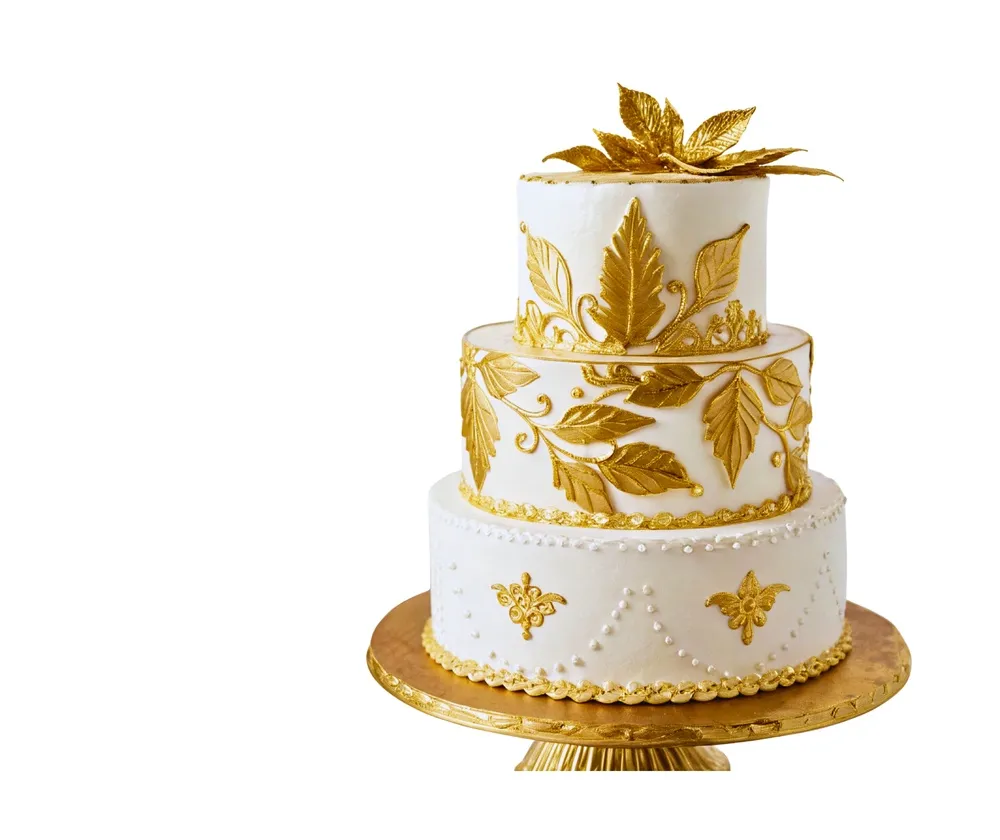
1. Sweetness needs salt.
Salt does not make cake taste salty when used correctly. It sharpens vanilla, deepens chocolate, and keeps sweetness from becoming dull.
2. Fat carries flavor.
Butter, olive oil, nut oils, mascarpone, and cream cheese all influence aroma and mouthfeel. Choosing the right fat can make the cake taste richer without adding more sugar.
3. Moisture extends taste.
A moist crumb allows flavor to linger longer on the palate. Dry cake often tastes less flavorful because the crumb releases aroma too quickly.
4. Temperature changes perception.
Cold cakes may taste less sweet and less aromatic. Buttercream, ganache, and fillings need the right serving temperature to feel smooth and expressive.
5. Infusion creates depth.
Steeping milk, cream, syrup, or tea with vanilla, citrus, espresso, lavender, or spice creates flavor that moves through the cake. This gives the cake dimension instead of surface sweetness.
6. Texture controls flavor release.
Tender sponge, silky frosting, and balanced filling help flavor unfold naturally. Tough or cold textures can make even premium ingredients taste muted.
7. Frosting must balance, not overpower.
Frosting should complete the sponge. Acid, salt, dark chocolate, coffee, fruit, or cream cheese can help buttercream flavor feel refined rather than sugary.
Cake taste improves when sweetness, fat, salt, moisture, aroma, and temperature are balanced. A better cake is not simply sweeter; it has a tender crumb, high-quality fat, enough salt to sharpen flavor, and frosting that supports the sponge. Infusions, fruit reductions, premium vanilla, chocolate, citrus, and nut profiles can also create a richer, more memorable cake tasting experience.
Homemade cake often tastes flat because it is missing salt, acid, aroma, or proper texture. Over-mixing can create a tough crumb, while low-quality vanilla or too much sugar can make the flavor feel one-dimensional. Serving the cake too cold can also mute aroma and sweetness. Small technical choices can have a major effect on final cake taste.
Professional bakeries make cakes taste richer by layering flavor through sponge, filling, frosting, soak, and finish. They may use browned butter, real vanilla, fruit reductions, espresso, nut oils, ganache, infused cream, or balanced buttercream. The richness comes from structure and ingredient quality, not just extra sugar or fat.
Yes, frosting strongly affects cake taste. Frosting controls sweetness, texture, aroma, and the final impression of each bite. If frosting is too sweet, too cold, or too heavy, it can overpower the sponge. Balanced buttercream flavor uses salt, acid, chocolate, coffee, cream cheese, or fruit to support the cake instead of covering it.
Yes. Nikoo Cake offers custom cake flavor development for clients who want a cake designed around their celebration, sweetness preference, season, and design style. During a cake tasting experience, clients can explore flavors such as fruit reductions, dark chocolate, citrus, floral infusions, nut profiles, coffee notes, and refined buttercream options.
Exceptional cake taste is where science and artistry meet. It is the balance of aroma, fat, salt, moisture, temperature, frosting, and memory. A cake may be beautiful on the outside, but its true luxury is revealed in the slice: the softness of the crumb, the restraint of the sweetness, the elegance of the filling, and the way the flavor lingers.
Store-bought cake often cannot compete with fresh, intentional, custom flavor design because it is made for shelf life first. Nikoo Cake creates cakes for the moment itself—cakes shaped by the client’s taste, event style, and celebration atmosphere.
Explore Nikoo Cake’s 2026 collection or schedule a tasting to design a cake flavor profile created around your celebration.