

Transporting a wedding cake requires attention to detail and careful preparation to ensure it arrives in perfect condition for the big day. Whether you are moving a multi-tiered cake or a simpler design, understanding how to transport a wedding cake properly can make all the difference. In this guide, we’ll walk you through the steps, tips, and tools you need to transport a wedding cake safely.
Before you even think about loading your wedding cake into a vehicle, preparation is key. Ensuring your cake is secure, stable, and properly packed will help avoid mishaps.
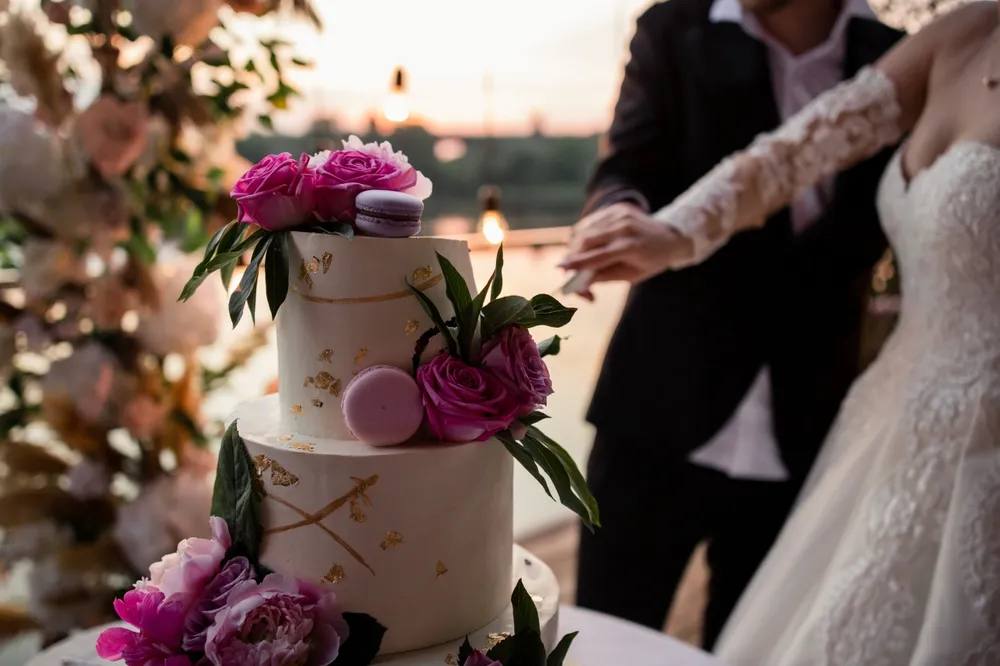
First, ensure that the cake is fully stabilized. If you are transporting a multi-tiered cake, it should have dowels or support rods inside to prevent shifting. These supports ensure the tiers stay level during transport, preventing tilting or toppling. You can also use cake boards for each tier that are securely taped or glued into place.
Remove any delicate cake decorations or toppers before transporting the cake. Place them in a separate box and secure them with soft cushioning material like bubble wrap or tissue paper. This prevents the risk of these items breaking or getting damaged during the journey.
The container you use to transport your cake plays a huge role in how safely it will travel. A good container provides support and protects the cake from external factors like temperature changes, bumps, and dust.
For smaller cakes, a large cake box with proper dimensions is often enough. Make sure the box is sturdy and wide enough to allow the cake to sit comfortably inside. A cake carrier is a good choice for smaller or one-tier cakes, as they have built-in security features to keep your cake in place.
For multi-tiered cakes, you’ll need a custom-built box or carrier that is specifically designed to accommodate the size and height of the cake. There are many specialized cake transport boxes available that provide both security and stability.
The act of actually transporting your wedding cake requires the right vehicle, the right tools, and careful attention to the road conditions. Here are some key considerations when thinking about how to transport a wedding cake.
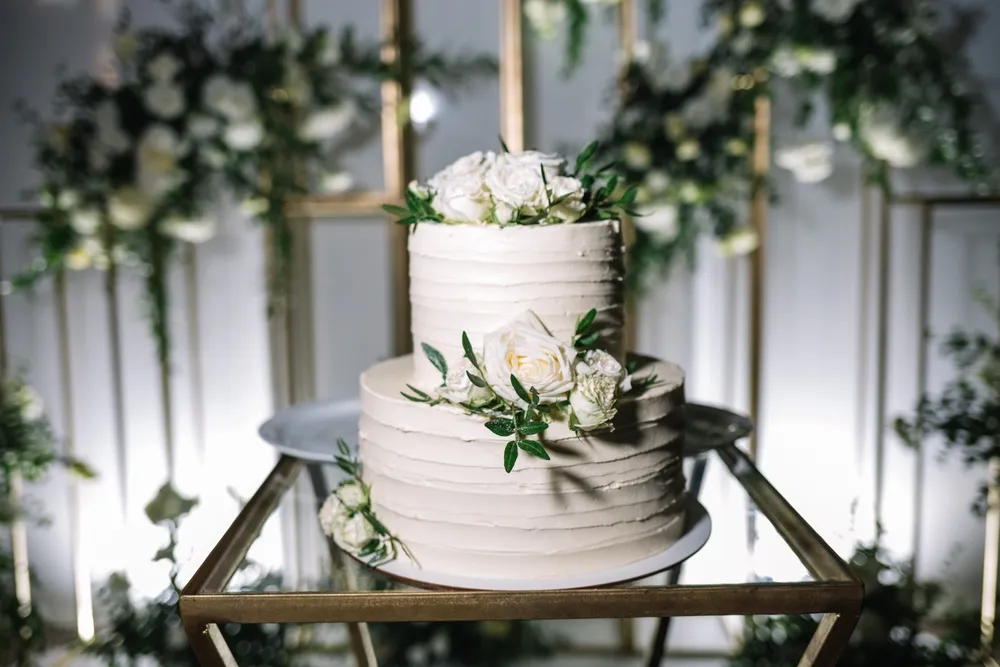
When selecting a vehicle to transport your wedding cake, consider a flat and secure surface. A car with a large trunk or a flat seat in the back is ideal. Make sure that there is enough space for the cake to sit upright and without being jostled during transit.
Avoid placing the cake on a seat or an uneven surface, as it could shift or fall during sudden stops or turns. It’s best to use a vehicle that has air conditioning to maintain a stable temperature, especially if you are transporting a cake with buttercream frosting, as it can melt in hot temperatures.
If the cake is in a cake box, place it on the floor of the car or trunk, ensuring that it is on a flat surface and will not move during transit. Secure the box using seatbelts, towels, or blankets to minimize any jarring or shaking. For larger, multi-tiered cakes, placing them upright on the floor is often the safest option.
Driving carefully is essential to prevent any unnecessary bumps or sudden movements that could jeopardize your wedding cake’s condition.
When transporting your cake, drive at a slower speed than usual. Avoid sharp turns or abrupt stops. If possible, choose a route with minimal bumps and traffic to prevent unnecessary jostling. Take corners gently and maintain a steady speed to avoid any movement within the cake box.
If you’re worried about the road conditions or bumps, consider renting a cake transporter. These specially designed vehicles have suspension systems that ensure the cake doesn’t move or get shaken. They are equipped with sturdy compartments and are ideal for transporting large wedding cakes over long distances.
Certain types of wedding cakes—particularly those with cream-based fillings or buttercream frostings—require extra care when it comes to temperature control.
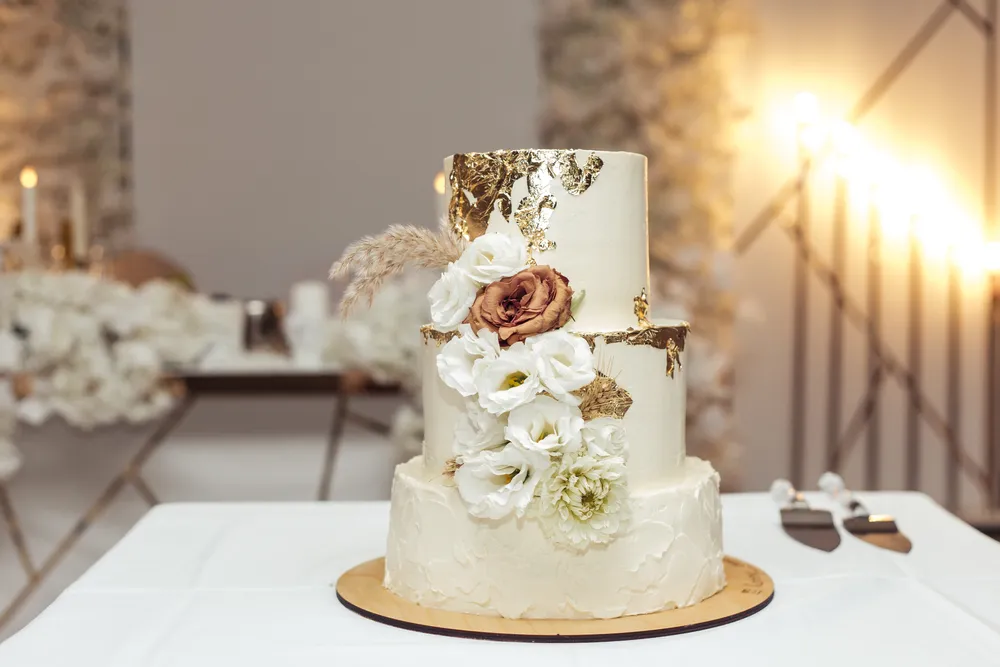
During transport, ensure the cake is stored in a cool place to avoid any melting or warping. In warmer climates, consider placing your cake in a chilled container or even using ice packs around the cake’s base (but not directly touching it) to maintain the proper temperature.
For buttercream or fondant cakes, higher temperatures could cause the cake to soften, ruining the design. For fondant-covered cakes, it is essential to avoid exposing them to high humidity as well, as the fondant may lose its shape or start to sweat.
The final step in transporting your wedding cake is getting it safely to the venue and setting it up.
When you arrive at the wedding venue, carefully unload the cake and set it in the designated spot. Ensure that the cake table is sturdy and level. Ideally, the cake should be placed on a table away from windows, heating vents, or any sources of direct sunlight, which could cause the cake to melt or become unstable.
If the cake needs to be assembled at the venue (such as a multi-tiered cake), ensure you have someone with the proper experience to help with the stacking process. Many bakeries offer delivery and setup services to help make this step easier.
While it’s important to take care during the transport process, there are common mistakes that can be easily avoided with the right precautions.