
A beautiful cake can impress from across the room. A truly elite cake holds its structure in coastal humidity, slices cleanly under event pressure, photographs flawlessly under harsh venue lighting, and still tastes unforgettable after hours on display.
That is the difference I teach inside my cake bakery master classes.
In my Orange County studio, I do not teach from the safe distance of theory. I teach from the same standards I use when designing for Newport Beach weddings, Malibu private estates, Laguna Beach galas, and high-profile Southern California events where the cake is not simply dessert. It is architecture, hospitality, brand storytelling, and a performance moment in one.
Summer 2026 is a turning point for cake design. The market is asking for two things at once. Clients want gourmet personal cake slices, meaning individualized, luxury single-serving bakes that feel intimate, highly styled, and social-media ready. At the same time, they still want dramatic sculptural cakes engineered for visual impact, from gravity-defying silhouettes to textured couture finishes inspired by fashion, interiors, florals, and celebrity event design.
That dual demand is exactly why I created my Summer 2026 cake classes. These are not casual decorating sessions built around a pretty piping bag and a few internet tricks. They are hands-on Orange County baking workshops designed for serious home bakers, emerging pastry artists, and established professionals who want to understand what happens behind the scenes in a luxury pastry studio.
If you have ever searched for “cake decorating classes near me” and felt that most options stop too early, these classes are built for the next level. We work on crumb stability, buttercream behavior, doweling systems, ganache ratios, shear stress, emulsion thresholds, luxury finishing, flavor architecture, client presentation, and the commercial judgment required to serve high-expectation clients.
This is where beautiful baking becomes professional control.
Luxury cake design is not only about decoration. It is about decisions.
When I design for a coastal wedding in Newport Beach, I am thinking about more than color and flavor. I am thinking about salt air, room temperature, floral moisture, travel distance, guest count, cake stand stability, load-bearing tiers, cutting logistics, and whether the bride’s photographer will capture the cake before or after the ballroom lights shift.
A cake that looks exquisite in a studio can fail in a venue if the baker does not understand structure. A buttercream that pipes beautifully at 68°F can soften quickly in a garden ceremony near the water. A five-tier red velvet cake can lose stability when hydration shifts even slightly, especially when the filling is too loose or the crumb lacks enough internal resilience.
That is why learning from a working luxury cake designer matters. You are not only learning recipes. You are learning judgment.
Internet tutorials can be useful for inspiration, but they rarely show the full reality of professional pastry work. They often skip the part where a filling must sit inside a dam without bleeding into the crumb. They rarely explain why a cake that appears level after stacking may begin leaning 40 minutes later. They almost never teach how to evaluate cake weight, support spacing, or the difference between a pretty finish and an event-safe finish.
In my studio, we slow down the invisible details.
We look at what happens before the final design ever begins:
A home baker may ask, “Why did my cake slide?” A professional asks, “Was the filling too fluid, was the dam too thin, was the crumb too tender, were the dowels uneven, was the board flexing, or did the cake warm too quickly during transport?”
That difference in diagnostic thinking is the heart of professional baking techniques.
In my cake bakery master classes, students learn how to troubleshoot in real time. When a buttercream splits, we do not hide it. We study the emulsion. When a ganache sets too firm, we discuss cocoa percentage, cream ratio, room temperature, and working time. When a tier begins to compress, we examine the internal support system and adjust.
The goal is not perfection through luck. The goal is repeatable excellence.
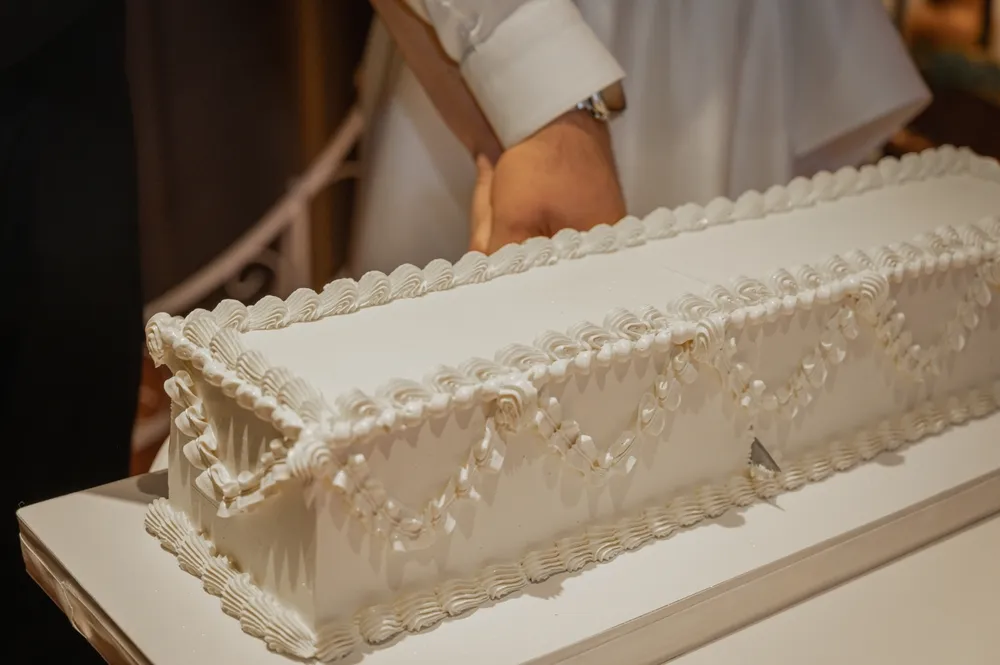
High-profile events teach a cake designer discipline. Celebrity clients, luxury planners, and VIP hosts expect artistry, but they also expect silence, discretion, speed, and absolute reliability.
When I design for exclusive events in Orange County and across Southern California, the cake often has to match an entire visual world. The gown may have pearl embroidery. The venue may have marble columns. The floral design may include orchids, garden roses, or sculptural branches. The table linens may have a specific sheen under candlelight. My job is to translate that atmosphere into sugar, texture, structure, and flavor.
That is why luxury wedding cake design is never random. A cake for a Newport Beach gala may need a cleaner silhouette because the ocean-view setting already provides movement. A Malibu estate wedding may call for softer botanicals and warm stone textures. A Beverly Hills-style private event may demand a sharper architectural profile with metallic accents and couture surface work.
Nikoo’s Insider Pro-Tip: For celebrity and VIP events, the most important design question is not “What looks expensive?” It is “What looks intentional from six feet away and flawless from six inches away?” A luxury cake has to survive both the room reveal and the close-up camera shot.
Inside the master classes, I teach students how to think like a designer in these environments. We study scale, proportion, lighting, floral placement, table styling, and client psychology. We talk about what should be said in a tasting consultation, what should never be promised too early, and how to guide a high-profile client without overwhelming them.
Students also learn the quiet business side of luxury pastry work:
Being a celebrity cake designer in SoCal is not about chasing spectacle. It is about building trust in rooms where every detail is being watched.
The Summer 2026 curriculum was created around what I see happening on the floor of real events. Clients want personal details, dramatic visuals, and flavors that feel thoughtful rather than predictable.
The new luxury cake market is moving away from one-size-fits-all beauty. Couples and hosts want cakes that feel highly specific to their celebration. They want the dessert to behave like a design object, a guest experience, and a shareable visual moment.
That is why these summer 2026 cake classes focus on three major areas:
Each area requires different skills. A personal cake slice must be delicate, consistent, and refined at a small scale. A structural showpiece must be engineered with strength and proportion. A luxury flavor must feel layered, clean, and memorable without becoming confusing.
The gourmet personal cake slice is one of the most exciting developments in modern pastry. It is not a cupcake. It is not simply a mini cake. It is a composed, individual luxury serving with the polish of a plated dessert and the emotional familiarity of cake.
For weddings, galas, brand events, and private dinners, personal cake slices allow every guest to receive something beautiful and intentional. They can be boxed, plated, monogrammed, ribboned, garnished, or paired with champagne, espresso, tea, or dessert wine. They also create a powerful hospitality moment because each guest feels considered.
In class, we study how to build a personal cake slice that holds its shape and still eats beautifully.
The technical focus includes:
Personal cake slices require restraint. Because the format is small, every detail matters. Too much filling causes the slice to shift. Too little moisture makes it feel ordinary. Too many garnishes make it look crowded. The most successful slices have a clear identity.
For example, in my studio, a summer personal cake slice might combine almond sponge, Meyer lemon curd, white chocolate mascarpone, and a whisper of basil sugar. Another might use pistachio sponge, raspberry rose compote, and a thin shell of vanilla bean buttercream. The goal is to create a bite that feels complete without becoming heavy.
Students learn how to design these slices for different markets:
This is where gourmet pastry training becomes commercially powerful. A beautiful personal cake slice is not only a trend. It is a product category with strong visual appeal, premium pricing potential, and broad event application.
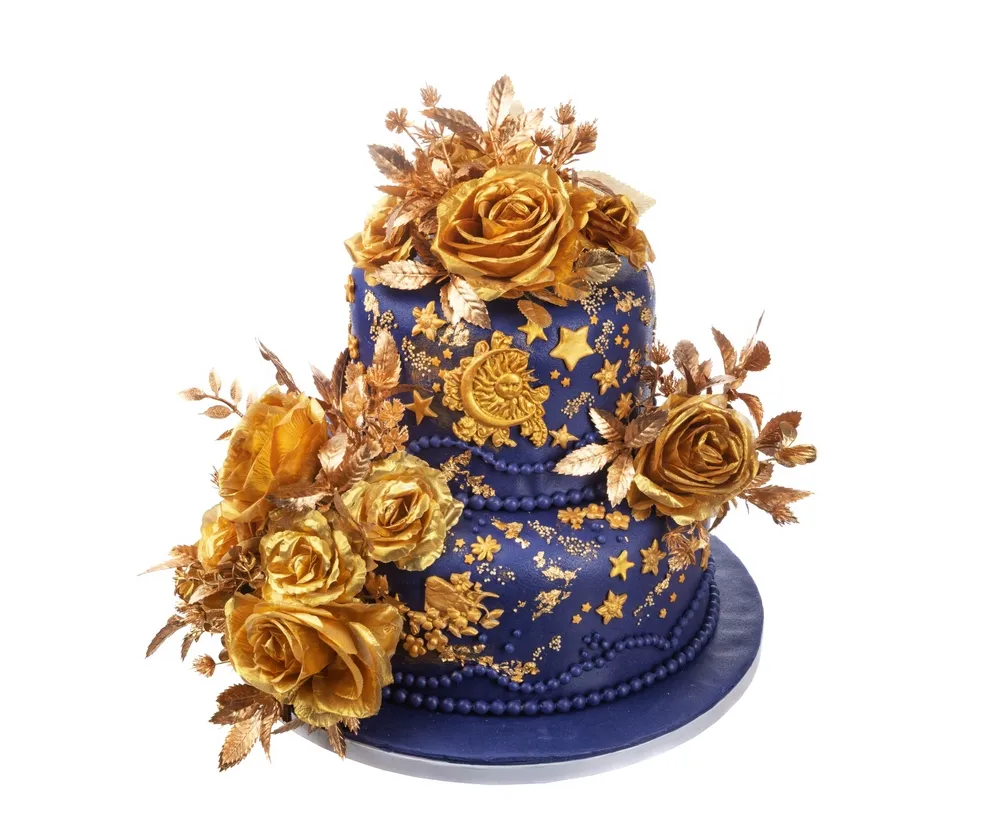
The other side of the 2026 market is scale. Clients still want the room-stopping cake. They want height, movement, texture, fantasy, and drama. They want guests to pause, take photos, and ask, “How is that cake standing?”
But drama without engineering is dangerous.
A viral-worthy cake must be built from the inside out. The external design may include sculpted petals, pleated textures, metallic surfaces, floating tiers, or asymmetrical floral installations. Underneath, the cake needs a reliable system of boards, dowels, central supports, weight distribution, and material choices.
In advanced cake sculpting, structure is not a separate topic. It is the foundation of the design.
Nikoo’s Insider Pro-Tip: Never let a design sketch outrun the support system. If the visual concept requires height, offset weight, or heavy decoration, the internal structure must be planned before the first sponge is baked.
Inside the class, we study how to evaluate structural risk. Students learn to ask:
We also discuss shear stress, which is one of the quiet reasons cakes fail. A tall cake may not collapse straight down. It may shift sideways because of uneven force, soft filling, weak crumb, or poor support placement. A cake can look stable in the studio and still become vulnerable during delivery if the road is uneven or the board flexes.
Students work hands-on with stacking methods and finishing approaches used in luxury cake production. We cover doweling systems, central rods, acrylic separators, internal plates, ganache shells, reinforced buttercream, and safe design planning for cakes that need to travel.
The visual curriculum includes:
The goal is not to copy a trend. The goal is to understand how to build a cake that can handle attention, photography, transportation, and service.
A cake that goes viral for beauty is wonderful. A cake that goes viral for collapsing is not.
Luxury flavor design in Southern California is shaped by climate, season, and lifestyle. Summer clients often want cakes that feel elegant, fragrant, and fresh, not overly sweet or heavy.
In my pastry studio, I often build flavor profiles around coastal brightness, botanical notes, and refined textures. The best summer cakes have lift. They feel polished but not exhausting.
For Summer 2026, we explore ingredients and pairings that reflect the Southern California market:
Working with botanicals requires discipline. Lavender, rose, jasmine, basil, thyme, and orange blossom can become overpowering quickly. A luxury cake should never taste like perfume. The botanical note should lift the flavor, not dominate it.
Students learn how to build flavor through layers:
We also study emulsion thresholds in buttercreams and fillings. A fruit curd with too much liquid can loosen the structure of a tier. A mousse filling may taste beautiful but require containment, chilling, and careful event planning. A whipped filling that works for a plated dessert may not belong inside a five-tier cake displayed for hours.
Luxury flavor is not only taste. It is stability, service, seasonality, and memory.
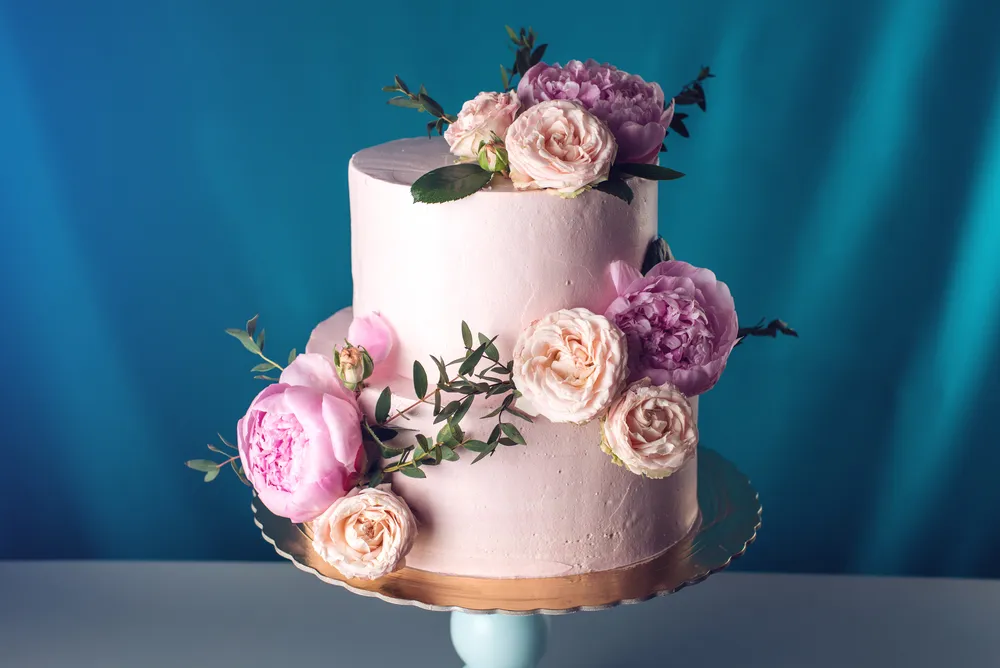
My Orange County baking workshops are designed to feel intimate, focused, and deeply practical. Students work in a professional environment where the goal is not to watch me decorate from across the room. The goal is to practice, ask questions, correct mistakes, and understand why each technique behaves the way it does.
These classes are held inside a working Southern California pastry studio, not a generic classroom. That matters because students experience the tools, workflow, timing, and standards used in real cake production.
You will not leave with only inspiration. You will leave with professional vocabulary, stronger hands, better judgment, and a clearer understanding of what separates hobby baking from commercial-level execution.
Large classes can be exciting, but they rarely allow for meaningful correction. Cake work is physical and visual. The angle of your scraper, the pressure of your piping hand, the temperature of your buttercream, and the way you hold your offset spatula all affect the final result.
That is why class sizes are intentionally small.
For Summer 2026, planned capacity is:
These small-batch limits allow me to observe each student’s technique closely. I can see when someone is overmixing, underfilling, scraping too aggressively, stacking with uneven pressure, or applying texture before the cake surface is properly chilled.
In my studio, mentorship is direct. I want students to understand not only what to do, but what to feel for.
A properly chilled cake has a certain resistance. A stable buttercream has a certain drag on the spatula. A ganache shell gives you a different type of confidence under fondant or textured finishes. These are not details you can fully learn by watching a screen.
Small classes also allow for conversation. Students can ask about pricing, client communication, portfolio development, delivery anxiety, ingredient sourcing, and the realities of building a premium cake business.
The atmosphere is warm, but the standards are serious.
Professional equipment changes the way you bake, but only if you understand how to use it properly.
In the workshops, students learn how to work with the tools found in serious pastry production. That may include commercial mixers, sheet pans, cake rings, turntables, bench scrapers, acrylic discs, dowels, central supports, precision scales, immersion blenders, silicone molds, airbrush tools, texture mats, and temperature-controlled storage.
The goal is not to make students dependent on expensive tools. The goal is to help them understand what each tool solves.
For example, a commercial mixer can create consistency, but it can also overwork batter quickly if the baker does not understand mixing stages. A precision scale improves accuracy, but only if the formula is balanced. A strong turntable helps with clean finishing, but it cannot fix a poorly crumb-coated cake. An acrylic disc can sharpen edges, but the cake still needs proper chilling and an even buttercream application.
Students learn:
Professional baking techniques are built on control. Equipment helps, but the baker’s judgment leads.
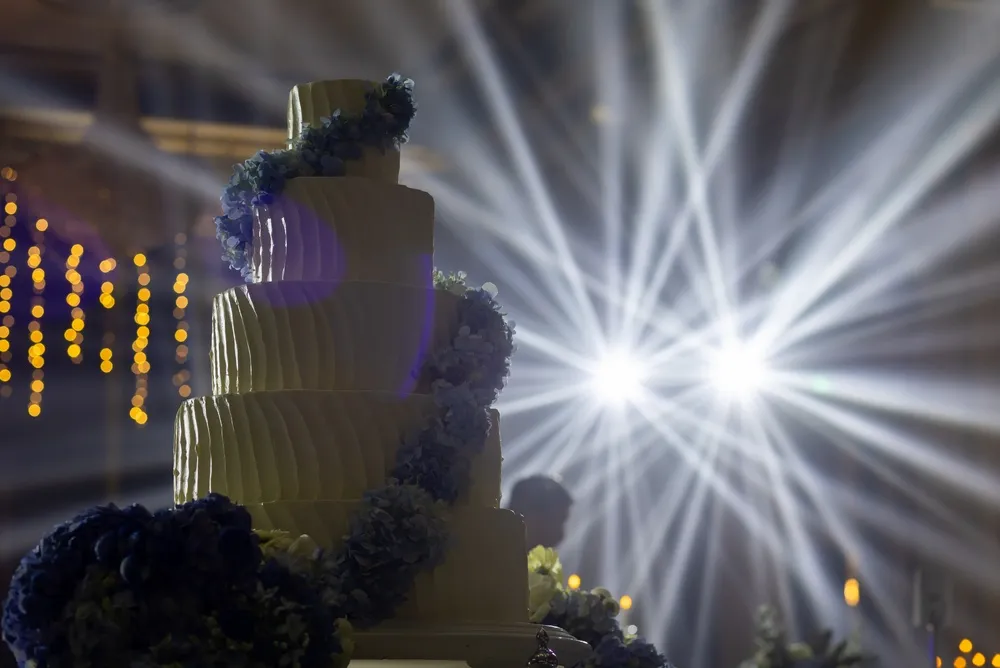
Every baker enters the studio with a different goal. Some students want to stop feeling dependent on recipes and finally understand why cakes behave the way they do. Others already sell cakes and want to move into luxury pricing, advanced structure, or high-profile event work.
That is why the Summer 2026 program is divided into two tiers: The Foundational Series and The Masterclass Level.
Both are hands-on. Both are designed with high standards. The difference is the level of complexity and the professional outcome.
| Program Tier | Prerequisites | Core Skill Taught | Best For | Ideal Outcome |
| The Foundational Series | Comfortable baking basic cakes at home or in a small bakery setting | Crumb structure, stable buttercreams, clean filling, leveling, crumb coating, basic stacking | Home bakers, early-stage decorators, bakery assistants | Build stable, elegant cakes with more confidence and consistency |
| The Masterclass Level | Prior cake decorating experience or professional pastry background | Advanced texturing, sculpting, structural support, luxury design planning, client management | Working bakers, pastry chefs, business owners, advanced students | Create premium event cakes and improve readiness for luxury clients |
| Class Size | Up to 10 students | Direct correction and guided practice | Students who want strong fundamentals | Better technical control |
| Class Size | Up to 6 students | Intensive mentorship and advanced critique | Students pursuing premium cake work | Stronger artistic and commercial strategy |
| Commercial Focus | Light business guidance | Pricing awareness and production planning | Bakers preparing to sell or improve quality | More professional confidence |
| Commercial Focus | High-level business guidance | VIP communication, planner expectations, portfolio positioning | Professionals moving into luxury events | More refined client experience |
Choosing the right tier matters. A student who rushes into sculptural cakes without stable crumb and filling control will struggle. A professional who already understands the basics may need challenge, critique, and strategy more than beginner instruction.
My recommendation is simple. Choose the level that matches your current skill, not your ego. Strong fundamentals are never basic. They are the reason advanced work succeeds.
The Foundational Series is designed for students who want to build serious confidence from the inside out.
We begin with crumb structure because every decorated cake depends on what is happening beneath the surface. A tender crumb is beautiful, but a crumb that is too fragile cannot support layering, filling, chilling, stacking, or transport. A cake may taste lovely and still be structurally wrong for a tall design.
Students learn how ingredients affect stability:
We discuss why a 1.5% shift in hydration can matter, especially when working with taller cakes or moisture-rich formulas like red velvet, carrot cake, or fruit-forward sponges. We also look at how fillings interact with the crumb. A loose berry compote may taste beautiful, but without proper reduction, damming, and containment, it can destabilize a tier.
Buttercream is another major focus. Students learn the difference between American buttercream, Swiss meringue buttercream, Italian meringue buttercream, ganache-based finishes, and hybrid approaches. We talk about sweetness, mouthfeel, temperature tolerance, and finish quality.
The Foundational Series covers:
This tier is ideal for passionate home bakers who want to move beyond casual tutorials and start thinking like professionals. It is also valuable for bakery assistants or early-stage decorators who need stronger technical discipline.
By the end of the Foundational Series, students should understand how to create a cake that is not only pretty, but stable, sliceable, balanced, and event-ready at a smaller scale.
The Masterclass Level is for students who already have some decorating experience and want to enter more demanding territory.
Here, we focus on advanced cake sculpting, luxury surface design, structural engineering, and the client-facing skills required for premium work. This is where the cake becomes a centerpiece, a design statement, and a professional service.
Students work with more complex forms and finishes. We study how to create movement without losing balance, how to use texture without making a cake look heavy, and how to design with restraint even when the event calls for drama.
Techniques may include:
We also go deeper into high-profile client management because luxury cake work is not only technical. It is emotional and logistical. A client investing in a custom cake wants confidence. A planner wants clarity. A venue wants timing. A photographer wants access. A baker must know how to communicate with everyone while protecting the quality of the cake.
We discuss:
In luxury pastry, confidence must be earned. You cannot simply say, “I can do that,” because the client wants to hear it. You must know whether the design is possible, what it requires, how it will travel, and what risks need to be managed.
The Masterclass Level helps students develop that professional judgment.
The Summer 2026 program is designed for focused students who are ready to work. Because the classes are intentionally small, registration is limited and each bench is assigned in advance.
The current Summer 2026 format includes two learning paths:
Planned class capacities are limited to preserve mentorship quality:
Registration is recommended early because boutique workshops do not allow unlimited seating. Once a class reaches capacity, additional students may be offered a waitlist option for a later Summer 2026 session.
Students searching for cake bakery master classes, Orange County baking workshops, gourmet pastry training, or cake decorating classes near me should review the class tier carefully before reserving a seat. The best class is the one that meets your current skill level and stretches you in the right direction.
Classes are hosted in Nikoo’s premium Southern California pastry studio in Orange County, with access designed for students traveling from Newport Beach, Irvine, Laguna Beach, Costa Mesa, Huntington Beach, Anaheim Hills, Los Angeles, and the broader SoCal region.
The studio location is shared with confirmed registrants through the official booking process to protect student privacy, production schedules, and the working nature of the pastry space.
Students will receive clear arrival instructions before class, including:
Because this is a working pastry environment, punctuality matters. Cake work is temperature-sensitive and sequence-sensitive. Late arrival may affect a student’s ability to complete every hands-on component, especially in advanced sessions where stacking, chilling, sculpting, and finishing are timed carefully.
The studio is designed to support focused learning, not crowded observation. Students should expecFAQ: Nikoo’s Summer 2026 Cake Bakery Master Classes
Cake bakery master classes are hands-on professional baking workshops where students learn advanced cake structure, buttercream stability, decorating, sculpting, flavor design, and luxury event presentation.
These classes are ideal for passionate home bakers, pastry students, bakery owners, and professional cake designers who want to improve their technical skill and luxury cake design confidence.
The Foundational Series is suitable for serious beginners and intermediate bakers. The Masterclass Level is designed for students with prior decorating experience or professional pastry knowledge.
Nikoo’s workshops are hosted inside a premium Southern California pastry studio in Orange County. Exact studio access details are shared after confirmed registration.
Students learn crumb structure, stable buttercreams, luxury fillings, structural support systems, advanced cake decorating, gourmet personal cake slices, and client-ready presentation techniques.
t an intimate, professional atmosphere where every bench is prepared for hands-on work.
Trust matters before a student ever walks into the studio. For that reason, the Summer 2026 registration process is designed to be clear, direct, and transparent.
Before booking, students should review:
Because these are boutique cake bakery master classes, each seat represents preparation time, ingredient planning, equipment allocation, and direct mentorship. Students are encouraged to book only after confirming their availability.
My promise is simple. When you enter my studio, you are not treated like a passive viewer. You are treated like a baker with serious potential.
You will touch the tools. You will ask the questions. You will learn why a cake holds, why it fails, why a flavor feels elegant, why a finish looks expensive, and why the best luxury pastry work is never accidental.
The Summer 2026 cake classes are for students who want more than decoration. They are for bakers ready to understand the structure, taste, artistry, and professional discipline behind cakes that belong at unforgettable celebrations.
Your bench is where that next level begins.
Nikoo is a master cake designer, expert baking trainer, and luxury pastry artist with decades of experience in cake bakery, custom cake design, and high-end event dessert production. Based in Orange County, she is known throughout Southern California for creating elegant, structural, and highly personalized cakes for weddings, VIP celebrations, private galas, and celebrity events.
Her work blends refined flavor development with advanced cake engineering, from flawless multi-tiered wedding cakes to couture-inspired statement designs. Over the years, Nikoo has earned a reputation for crafting special occasion cakes that feel both artistic and technically precise, serving clients who expect beauty, sophistication, and exceptional quality.